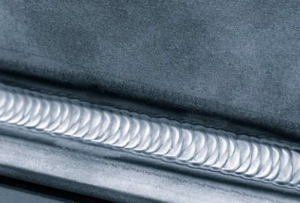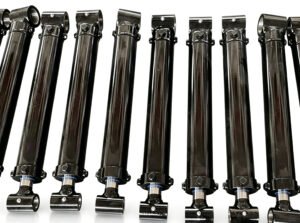
Welded hydraulic cylinders are core power parts for heavy-duty machinery. They keep construction, agricultural and industrial equipment running steadily. Most buyers and operators pay close attention to cylinder materials and pressure parameters. However, they easily ignore a key factor that affects cylinder performance and durability: welding quality.
A welded hydraulic cylinder can work stably for a long time only with reliable weld integrity. Poor welding is not just a surface flaw. But it also creates hidden structural risks. These risks shorten welded cylinder service life and cause frequent equipment failures. This article shares simple and professional insights to help you pick high-quality welded hydraulic cylinders.
Weld Integrity and Base Material Strength Are Equally Important
Many users only focus on high-grade steel materials when selecting welded hydraulic cylinders. However, premium base material is only half of the quality guarantee. Base material strength and weld integrity are equally important. High-quality steel lays the foundation for cylinder performance, while qualified welding locks in and maximizes that performance. A cylinder cannot achieve long-term durability with only good materials or perfect welding alone.
High-quality base steel provides welded hydraulic cylinders with stable basic hardness and pressure resistance. But excellent material advantages will be wasted without reliable weld integrity. Weld joints connect all cylinder parts into a complete and solid structure. Even top-tier steel cannot resist damage if the weld has flaws. Common welding issues include insufficient penetration and hidden porosity. These invisible defects weaken the overall cylinder structure.Meanwhile, they are the main causes of cylinder cracking and oil leaks during operation.
Professional welding processes perfectly match high-quality base materials to deliver optimal performance. For mass production of welded hydraulic cylinders, MIG welding delivers efficient and consistent welds. In addition, TIG welding is used for key precision welding positions to ensure superior weld integrity. In short, qualified base materials and stable welding quality complement each other. Only the combination of the two can effectively extend welded cylinder service life.
Nice Weld Appearance Does Not Equal Qualified Welding Quality
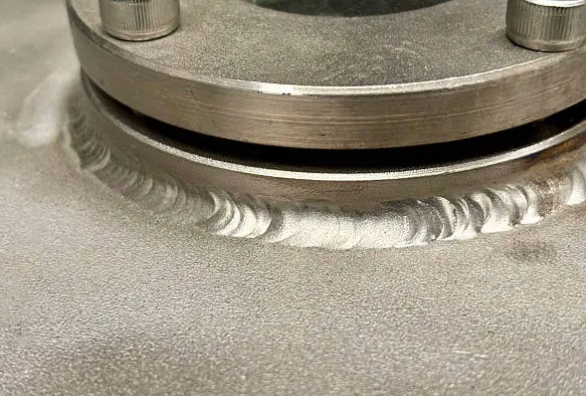
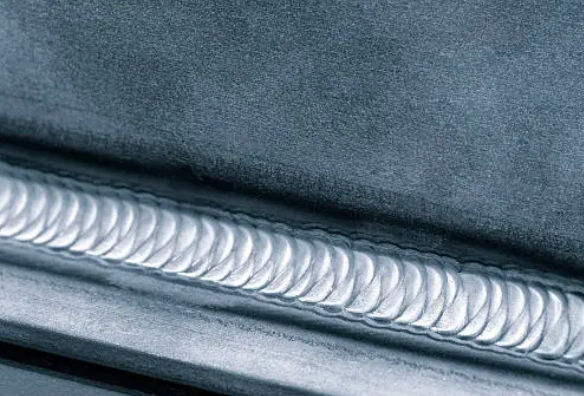
Most buyers and inspectors judge welding quality by visual look. They believe smooth and clean welds mean good quality. But a nice weld appearance never equals qualified internal welding quality for welded hydraulic cylinders.
Some low-quality cylinders have neat outer welds.However, they hide serious internal defects, such as incomplete fusion and deep porosity. These flaws do not affect cylinder performance at first. Yet, they slowly damage weld structure during daily operation.
This explains why new cylinders work well initially but fail suddenly after hours of use. True welding quality comes from standardized processes and strict internal tests, not good looks. Therefore, when choosing welded hydraulic cylinders, always prioritize internal weld integrity over surface appearance.
Poor Welding Causes Cumulative Hidden Risks, Not Immediate Failure
Many equipment operators have a wrong mindset. They think a cylinder is good if it works right after installation.However, poor welding almost never causes immediate failure.
Welding defects like micro cracks and shallow porosity only create tiny gaps at the start. The cylinder can still bear standard working pressure and run normally. But repeated pressure cycles and constant vibration make these small gaps bigger over time.
Small welding flaws gradually turn into serious problems. These problems include oil leakage, weld cracking and even cylinder damage. Moreover, most users blame these issues on seal wear or hydraulic system errors. They ignore the real root cause: poor welding quality.
This kind of cumulative risk is the biggest downside of low-quality welded hydraulic cylinders. It causes unexpected downtime, higher maintenance costs and shorter equipment life. Thus, strict welding quality control is the best way to keep cylinders stable long-term.
Conclusion
To sum up, a good welded hydraulic cylinder does not rely on premium materials or pretty welds. Instead, it depends on reliable welding quality and complete weld integrity. Welding quality directly controls cylinder stability, safety and welded cylinder service life.
This rule applies to all equipment purchases and part replacements. Never overlook the value of professional welding processes for welded hydraulic cylinders. Products with strict welding standards avoid hidden risks and cut your long-term maintenance costs.
References
1. AWS D14.9/D14.9M:2022, Specification for the Welding of Hydraulic Cylinders, American Welding Society (AWS). This standard defines official manufacturing, welding quality, and weld integrity requirements for industrial welded hydraulic cylinders.
2. ISO 23778:2022, Safety and performance assessment standards for mechanical hydraulic components. It regulates material matching, welding defect limits, and long-term service life evaluation for hydraulic cylinder structures.